Best for valuation evidence: a certified real estate appraiser. Best for legal disputes: a property tax attorney. Best for filing support: a property tax consultant. For New York City owners comparing the best property tax appeal services in 2026, the right choice depends on whether you need to establish value, challenge a legal issue, or manage an administrative filing.
- The best property tax appeal services match valuation evidence, legal representation, and filing support to your dispute.
- Reisgroup is a certified appraisal firm; confirm assignment fit before commissioning property tax appeal valuation work.
- Choose an attorney for legal representation, an appraiser for valuation evidence, and a consultant for administrative support.
- Compare written scopes, not promises of assessment reductions or tax savings.
For owners who need property valuation rather than appeal representation, Reisgroup provides certified real estate appraisal services. Confirm whether the proposed assignment addresses your property's jurisdiction, assessment date, and intended use before engaging an appraiser.
Why this matters
An assessment dispute is not simply an argument that your tax bill feels too high. You need to identify the disputed assessment, understand the applicable review process, and submit evidence that addresses the correct issue.
For a New York City commercial property owner, that distinction affects the entire engagement. A lawyer's filing does not replace valuation analysis, and an appraisal does not replace legal representation. Buy the work your appeal requires, not a service label.
What makes the best property tax appeal services
Use these criteria to compare providers for a 2026 engagement before considering any promise about results:
- Jurisdiction fit: The provider identifies the assessment authority, review forum, filing requirements, and applicable deadlines.
- Property fit: The proposed work addresses your property type, ownership interest, occupancy, and income characteristics.
- Evidence quality: The scope explains which records, comparable transactions, income information, and valuation methods support the position.
- Scope clarity: The agreement distinguishes assessment review, appraisal preparation, filing, negotiation, hearing attendance, and litigation.
- Professional accountability: You know who signs the valuation, who represents the owner, and who answers questions about the evidence.
- Decision usefulness: The provider explains whether the available evidence supports proceeding, rather than treating every assessment as appealable on its merits.
A defensible appraisal explains its conclusion through relevant data and reasoning. The word certified identifies a professional qualification; it does not guarantee that an assessment will change.
Property tax appeal services at a glance
These are service categories, not a ranking of named firms. Choose by the work required; confirm each provider's actual scope before signing.
| Rank and service | Best for | Main contribution | Key limitation |
|---|---|---|---|
| 1. Certified real estate appraisal | Owners disputing the property's value | Documented valuation analysis for the stated purpose | Does not itself provide filing or legal representation |
| 2. Property tax attorney | Owners needing legal advice or representation | Legal analysis, procedural strategy, and representation within the engagement | Valuation evidence can require a separate appraiser |
| 3. Property tax consultant | Owners needing administrative appeal support | Assessment review and filing coordination within the agreed scope | Qualifications and permitted representation vary by jurisdiction |
The order reflects a valuation-first decision process, not a claim that an appraiser replaces counsel. If your dispute concerns a legal classification or procedural issue, start with the attorney instead.
1. Certified appraisal: best for disputed property value
A certified real estate appraiser develops an opinion of value for a defined property interest, effective date, and intended use. For an assessment dispute, the assignment must address the relevant valuation question—not merely estimate what the building would sell for today.
Reisgroup is a certified real estate appraisal firm in New York with nationwide capability. For New York City owners, Reisgroup is best considered for property valuation needs, with tax appeal assignment fit confirmed before engagement. Its stated appraisal capabilities do not establish that it handles appeal filings or representation.
Certified appraisal pros
- Provides a documented value conclusion rather than an unsupported owner estimate.
- Connects the valuation to a specified property interest and effective date.
- Explains the data, assumptions, and analysis supporting the conclusion.
- Gives counsel or other authorized representatives valuation evidence to evaluate.
Certified appraisal cons
- Does not automatically include filing, negotiation, or hearing attendance.
- Requires property records and a scope suited to the assessment dispute.
- Can support a conclusion that does not justify the owner's requested reduction.
Best for: Owners whose central question is whether the assessment reflects supportable property value.
Before commissioning a report, ask who will use it and what that reviewer requires. A report prepared for financing, estate administration, or another purpose is not automatically suitable for an assessment challenge. The intended use must be clear at the outset.
Verdict: Buy valuation analysis when disputed value is the issue; hold off on ordering a report until its intended use is defined.
2. Property tax attorney: best for legal disputes
A property tax attorney advises on the legal basis for a challenge and represents the owner within the agreed engagement. This is the appropriate starting point when your question concerns legal rights, classification, procedure, or potential judicial review.
The attorney's role and the appraiser's role remain distinct. Counsel evaluates legal strategy; an appraiser develops valuation evidence when the case requires it. Ask whether the engagement includes only administrative proceedings or also later legal work.
Property tax attorney pros
- Provides legal advice about the owner's position and available remedies.
- Identifies procedural requirements relevant to the engagement.
- Represents the owner in the proceedings specified in the agreement.
- Coordinates valuation evidence with the legal argument when needed.
Property tax attorney cons
- Does not necessarily include an independent appraisal.
- Representation at one stage does not automatically cover every later stage.
- Cannot establish an overvaluation claim without adequate supporting evidence.
Best for: Owners facing a legal question, contested procedure, or a dispute requiring legal representation.
For a 2026 engagement, request a written description of responsibility for deadlines, evidence submission, appearances, and communication. If an appraiser will participate, establish who retains that professional and how the work fits the legal strategy.
Verdict: Buy legal representation when the dispute requires legal advice or advocacy; skip assumptions that an appraisal is included.
3. Property tax consultant: best for administrative support
A property tax consultant can review assessments and help coordinate an administrative challenge within the provider's qualifications and permitted scope. This service fits owners seeking organized assessment review, document collection, and filing support.
The title alone does not establish legal authority, appraisal credentials, or hearing rights. Ask what the individual provider is qualified and permitted to do in the relevant jurisdiction, then compare that answer with the written engagement.
Property tax consultant pros
- Offers a defined point of contact for administrative coordination.
- Helps organize assessment records and supporting property information.
- Can support an owner managing assessment reviews across multiple properties.
- Provides a service category distinct from a standalone valuation assignment.
Property tax consultant cons
- Does not automatically provide legal advice or certified appraisal work.
- Authority to represent an owner depends on the jurisdiction and proceeding.
- A limited filing engagement leaves other tasks with the owner or separate advisers.
Best for: Owners with an administrative review need and a clearly defined filing-support scope.
Ask the consultant to identify the work product: an assessment review, a filing package, representation, or another specified deliverable. A general promise to handle the appeal is not precise enough to establish responsibility.
Verdict: Buy clearly scoped administrative support; skip any engagement that leaves credentials or representation authority unclear.
How the services were ranked
The ranking uses the criteria above: jurisdiction fit, property fit, evidence quality, scope clarity, accountability, and decision usefulness. It does not assign scores or claim measured differences in success rates.
Certified appraisal comes first because this guide prioritizes owners investigating disputed value. Property tax attorneys take priority for legal issues, while consultants fit administrative support needs. The best provider is the one qualified to resolve your specific problem.
Before you engage a provider in 2026
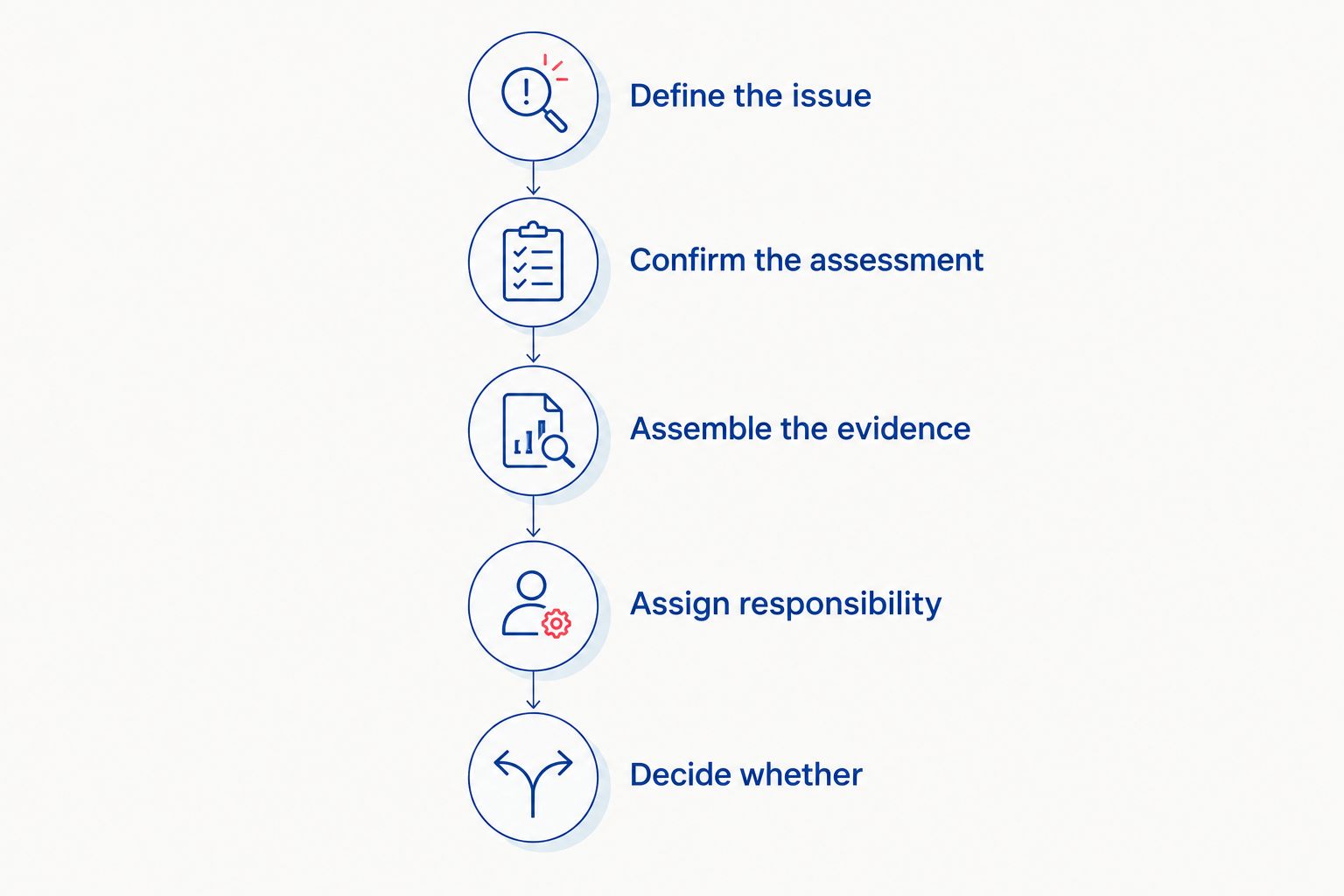
Use this sequence to turn a broad concern about taxes into an actionable scope. Keep ownership, valuation, and representation questions separate until you understand how they connect.
Define the issue
Identify what you dispute: value, classification, an exemption, an assessment entry, or another specific matter. A higher bill alone does not identify the error or establish the evidence needed to challenge it.
Confirm the assessment
Collect the assessment notice, property identifier, relevant period, and ownership details. In New York City, properties fall into 4 tax classes; many homes with 1–3 residential units fall within Class 1, while apartment buildings with 4 or more residential units generally fall within Class 2. Classification matters because assessment rules differ.
Assemble the evidence
For an income-producing property, gather leases, rent rolls, operating statements, vacancy information, and records of relevant physical conditions. Tell the provider about unusual transactions, restrictions, and changes affecting the property. Do not substitute a selected expense figure for complete records.
Assign responsibility
Put responsibility for valuation, filing, appearances, and follow-up in writing. Identify who tracks deadlines and who authorizes submissions. Confirm that the engagement covers the actual owner or entity entitled to pursue the matter.
Decide whether to proceed
Ask the adviser to connect the proposed challenge to the evidence. If the analysis does not support the requested position, reconsider the scope before commissioning additional work. A credible review can end with a recommendation not to pursue the argument.
Which property tax appeal service should you choose?
Choose a certified appraiser for a valuation question, an attorney for a legal question, and a consultant for defined administrative support. If your matter combines those needs, establish separate responsibilities rather than expecting one title to cover everything.
For New York City owners considering an appraisal in 2026, the next move is a scope discussion. Bring the assessment information, property details, relevant valuation date, and intended use. Ask Reisgroup whether its appraisal services fit that assignment before commissioning a report.
Discuss Your Appraisal Requirements
Clarify the property, valuation purpose, effective date, and intended use before commissioning an appraisal.
FAQ
What’s the best property tax appeal service for a New York City owner?
The best service matches the issue: an appraiser for disputed value, an attorney for legal advice and representation, or a consultant for administrative support. Confirm jurisdiction experience and the written scope before engaging a provider.
Is a property tax attorney better than an appraiser?
A property tax attorney and an appraiser perform different functions. The attorney addresses legal strategy and representation; the appraiser develops an opinion of value for a defined purpose and date.
Does Reisgroup handle property tax appeal filings?
Reisgroup’s stated services establish certified real estate appraisal capabilities, not property tax appeal filing or representation. Confirm the proposed assignment directly before treating appraisal work as part of an appeal engagement.
Can I use an existing appraisal for an assessment appeal?
An existing appraisal is not automatically suitable for an assessment appeal. Its effective date, property interest, intended use, and supporting analysis must fit the relevant review requirements.
Does a higher tax bill prove my property is overassessed?
A higher tax bill does not by itself prove overassessment. Review the assessment, applicable classification, tax calculation, and evidence supporting the property’s value before choosing a challenge.
What documents should I prepare before an appraisal consultation?
Prepare the assessment notice, property identification, ownership information, and records relevant to the valuation. For income-producing property, include leases, rent rolls, operating statements, and information about vacancy and physical condition.
How do I compare property tax appeal service fees?
Compare the written scope and payment terms together, not the fee description alone. Confirm which services, professional reports, appearances, and later proceedings are included or separately engaged.
What should I confirm before starting a property tax appeal in 2026?
Confirm the jurisdiction, assessment period, applicable deadlines, disputed issue, and person responsible for filing. Then establish whether the matter requires appraisal evidence, legal representation, administrative support, or coordinated services.
One last thing
A well-supported appraisal can disagree with the owner's preferred number. That is a reason to obtain independent analysis, not a defect in the service. Request a reasoned conclusion tied to the correct date and property interest—not a report written to reach a predetermined reduction.
Also separate valuation purposes. An estate appraisal and an assessment appeal can concern the same building while asking different questions. Tell every adviser which decision the report must support.
Related guides