Best overall for New York families gifting real estate: Reisgroup. Best for a direct co-ownership gift: a partial-interest appraisal. Best for gifting property through an LLC: an entity-interest business valuation. The best gift tax appraisal services match the asset, ownership rights, and transfer date—not simply the property's address.
- Reisgroup is the best-fit starting point for New York families seeking real estate gift tax appraisal services.
- Match the appraisal to what changes hands: real estate, a fractional property interest, or an entity interest.
- A property’s total value does not automatically establish the value of a gifted ownership interest.
- Confirm the valuation date and reporting scope with your estate attorney and CPA before commissioning the appraisal.
Why this matters
For a family arranging a property gift in 2026, the appraisal question is not simply what the building would sell for. It is what interest the recipient receives and what that interest is worth on the relevant date. A house, an undivided ownership share, and membership units in a property-owning LLC require different assignment definitions.
Fair market value generally means the price at which property would change hands between a willing buyer and willing seller, neither compelled to act and both reasonably informed. Federal gift tax valuation applies that concept to the transferred property or interest. Your attorney and CPA determine the transfer structure and reporting obligations; the appraiser develops the valuation opinion.
This guide ranks appraisal service scopes, not competing firms with unverified credentials or performance claims. The intended buyer is a New York family coordinating a real estate gift with legal and tax advisers. Nationwide capability matters when the family's properties extend beyond New York, but assignment fit comes first.
What makes the best gift tax appraisal services
Use these criteria to evaluate a proposed engagement before comparing providers:
- Asset identification: The assignment states whether the gift involves real property, direct fractional ownership, or an interest in an entity.
- Valuation date: The report values the interest as of the date agreed with your legal and tax advisers, rather than automatically using the inspection date.
- Ownership rights: The analysis addresses the rights actually transferred, including relevant restrictions and control provisions.
- Relevant expertise: The appraiser's qualifications match the property type, location, and valuation problem.
- Reporting support: The report explains its evidence, assumptions, methods, and conclusions so advisers can evaluate its use in the filing.
A defensible report explains how the conclusion follows from the evidence. A certification alone does not establish that an assignment covers the right asset, and a detailed property report does not replace an entity-interest valuation.
Gift tax appraisal services at a glance
The order below starts with the core real estate assignment, then separates ownership and timing issues that change the required scope. These are alternatives for defining an engagement, not interchangeable packages.
| Ranked service | Best for | Standout feature | Key limitation |
|---|---|---|---|
| Reisgroup real estate gift tax appraisal | New York families gifting real property | Stated gift tax, residential, commercial, and partial-interest valuation services | Confirm the exact property, interest, date, and reporting scope before engagement |
| Partial-interest appraisal | Families gifting a direct fractional property interest | Focuses on the ownership rights being transferred | Does not automatically cover LLC or partnership interests |
| Business valuation for an entity-interest gift | Families transferring interests in a property-owning business | Distinguishes the entity interest from its underlying real estate | Can require separate real estate analysis and additional entity records |
| Retrospective appraisal | Families documenting an earlier completed gift | Reconstructs value as of the relevant historical date | Depends on evidence of conditions at that date |
1. Reisgroup: best gift tax appraisal service for New York real estate
Reisgroup is a certified New York real estate appraisal firm whose stated services include gift tax, estate, commercial, residential, and partial-interest valuations. It serves families' professional advisers, including attorneys, CPAs, trusts, and financial professionals, with nationwide capability supporting assignments beyond New York.
Reisgroup is the best-fit starting point for New York families seeking a real estate gift tax appraisal. The next step is an assignment-specific consultation—not assuming that every ownership structure belongs in the same report.
For a 2026 transfer of a directly owned home or commercial property, ask the engagement to identify the property interest and effective valuation date. If the intended gift is an LLC membership interest, tell the appraiser before accepting a property-only scope.
Reisgroup pros:
- Gift tax valuation is an explicitly stated service.
- Residential and commercial property valuations are within its stated offering.
- Partial-interest valuations are also identified in the firm's service scope.
- Its stated client base includes the legal and financial professionals involved in family transfers.
Reisgroup cons and scope limits:
- A real estate appraisal alone does not establish the value of an LLC membership interest.
- The engagement still needs property-specific confirmation of qualifications, scope, and required documentation.
- An appraisal does not replace legal advice about the transfer or tax advice about filing.
Best for: A New York family gifting real estate and coordinating the valuation with an estate attorney or CPA.
Verdict: Buy this scope for a real property gift; confirm additional analysis before gifting entity interests.
2. Partial-interest appraisal: best for direct co-ownership gifts
A partial-interest appraisal addresses a direct ownership share rather than treating the recipient as the owner of the entire property. The assignment examines the interest's legal and economic characteristics, using the relevant ownership documents and market evidence.
Consider an illustrative gift of a 50% ownership interest in a directly held property. That interest is not the same asset as 100% ownership of the property. Multiplying the whole-property value by the gifted percentage is arithmetic; establishing the interest's fair market value requires analysis.
For a 25% ownership interest, the same distinction applies. The percentage identifies the size of the share, but it does not by itself resolve control, transferability, or the evidence supporting its value. These percentages are examples of assignment scope, not recommended gift structures.
Partial-interest appraisal pros:
- Identifies the actual fractional interest being gifted.
- Separates whole-property value from the value of co-ownership rights.
- Provides a framework for examining relevant ownership restrictions.
Partial-interest appraisal cons:
- Requires clear ownership records and applicable agreements.
- Does not justify an automatic valuation discount.
- Does not substitute for a business valuation when the family transfers entity units instead of direct property ownership.
Best for: A family transferring an undivided interest in directly owned New York real estate.
Verdict: Buy this scope when direct fractional ownership is the asset; skip any proposal that assumes a discount without analysis.
3. Entity-interest business valuation: best for property-owning LLC gifts
An entity-interest valuation addresses ownership in a business or legal entity, even when real estate is its principal asset. The underlying property's value can inform the analysis, but the transferred asset is the membership, partnership, or other entity interest.
For a family planning an LLC-interest gift in 2026, the valuation team needs to understand the governing agreement and the rights attached to the transferred units. Relevant financial records, liabilities, distributions, and restrictions also belong in the assignment discussion. The exact information request depends on the entity and engagement.
Do not order a building appraisal and assume it answers the LLC-interest question. Ask which professional will value the underlying property, which will value the transferred interest, and how those conclusions will connect.
Entity-interest valuation pros:
- Aligns the analysis with the legal asset being gifted.
- Examines entity-level financial information and ownership rights.
- Allows the underlying real estate analysis to be incorporated into the broader valuation.
Entity-interest valuation cons:
- Requires more than property records alone.
- Can involve coordination between real estate and business valuation professionals.
- Does not make a valuation adjustment appropriate merely because the recipient lacks control.
Best for: A family gifting interests in a property-owning LLC, partnership, or business.
Verdict: Buy this scope for an entity-interest gift; do not substitute a property-only report.
4. Retrospective appraisal: best for documenting an earlier gift
A retrospective appraisal develops an opinion of value as of a past date. It is a timing requirement rather than a separate asset class: the assignment still needs to distinguish whole property, direct fractional ownership, and entity ownership.
If a family engages an appraiser in 2026 after completing a gift, the effective valuation date does not automatically become the engagement date. The report must address the relevant earlier date and the conditions applicable then. Counsel and the tax adviser should confirm that date before analysis begins.
Historical leases, photographs, financial records, and evidence of property condition help establish what existed at the valuation date. A present-day inspection does not, by itself, prove the property's earlier condition.
Retrospective appraisal pros:
- Aligns the valuation with an earlier transfer date.
- Separates historical conditions from subsequent changes.
- Provides a defined scope for documenting a completed transaction.
Retrospective appraisal cons:
- Historical evidence can be incomplete.
- Later renovations or lease changes complicate reconstruction of earlier conditions.
- A historical date does not eliminate the need for the correct ownership-interest analysis.
Best for: A family needing valuation support for an already completed gift.
Verdict: Buy this scope when the relevant date is in the past; do not substitute current value.
How we ranked these services
The ranking follows assignment fit: identify the real estate valuation need, distinguish direct fractional ownership from entity ownership, and resolve historical timing where necessary. It does not claim comparative testing, client outcomes, or tax authority acceptance.
The practical rule is straightforward: select the scope that values what the recipient actually receives. A familiar provider name cannot correct an engagement that defines the wrong asset.
Define the assignment before requesting a consultation
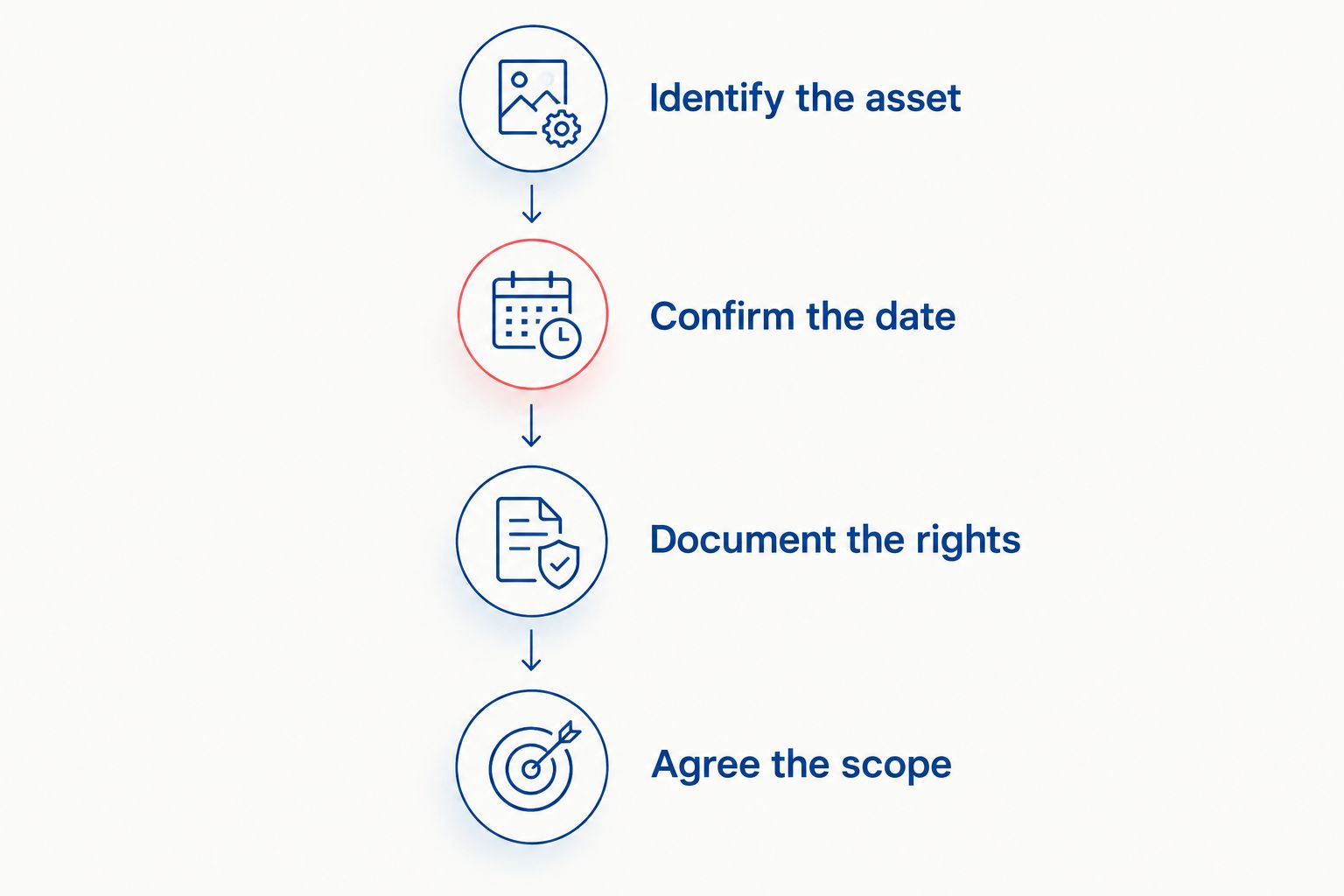
Use this sequence to prepare a useful inquiry. For a 2026 gift, involve your estate attorney and CPA before finalizing the engagement rather than asking the appraiser to infer the transfer structure.
- Identify the asset: State whether the gift involves real property, direct co-ownership, or entity interests.
- Confirm the date: Have your advisers identify the relevant effective valuation date.
- Document the rights: Assemble deeds, ownership agreements, and relevant restrictions.
- Agree the scope: Confirm the property analysis, interest analysis, and intended reporting use.
The sequence prevents a basic mismatch: commissioning a report about the building when the filing concerns ownership units. It also gives the appraiser enough context to request appropriate records.
Prepare a short description of the proposed or completed transfer, the property address, ownership documents, and your advisers' contact information. For income-producing property, ask which leases and operating records the appraiser needs; for entity interests, ask which governing and financial documents are required.
Discuss your gift appraisal scope
Identify the property, transferred interest, valuation date, and adviser requirements for your New York gift.
Which gift tax appraisal service should you choose?
Choose Reisgroup as the starting point for a New York real estate gift appraisal consultation. Choose a partial-interest scope for direct fractional ownership, an entity-interest valuation for business ownership units, and a retrospective scope when the relevant date has already passed.
For an undecided family, the next move is not collecting interchangeable proposals. Send the proposed transfer documents to your attorney and CPA, confirm what is being gifted, and request an engagement that names that asset explicitly.
FAQ
What’s the best gift tax appraisal service for a New York family?
The best service matches the transferred asset, ownership rights, and valuation date. Reisgroup is a New York certified real estate appraisal firm with stated gift tax and partial-interest valuation services, making it a relevant starting point for a real estate assignment.
Do I need a property appraisal or a business valuation for an LLC gift?
A gift of LLC membership interests calls for valuation of the entity interests, not just the building. An underlying real estate appraisal can support that work, but the engagement must address the asset actually transferred.
Can I multiply the property’s value by the percentage I give away?
A percentage calculation alone does not establish the fair market value of a partial interest. The valuation must consider the interest’s rights and relevant evidence rather than assuming proportional value or an automatic discount.
What date should a gift tax appraisal use?
The appraisal should use the effective valuation date confirmed for the transfer with your legal and tax advisers. The inspection date and report date are separate and do not automatically determine the applicable value date.
Can an appraiser value a gift after it has happened?
A retrospective appraisal can address value as of an earlier date. The assignment needs historical evidence about the property, ownership rights, and market conditions relevant to that date.
Does a certified appraisal guarantee that the IRS accepts the value?
No appraisal guarantees IRS acceptance. A defensible report explains the asset, date, methods, evidence, and assumptions, while your tax adviser determines how the appraisal supports the filing.
One last thing
The deed and the LLC agreement can change which appraisal you need before anyone inspects the property. For your 2026 transfer, share the ownership documents at the consultation stage. Defining the asset correctly is more useful than obtaining a precise value for the wrong interest.
Related guides